Solo founders and small teams wear every hat in product development. Here's why your tools need to reflect that, and how a connected workflow changes everything.
With a smaller software development team, work on the product does not fit into just one position description. You might spend your morning communicating with customers, the afternoon deciding what goes onto the roadmap, and the evening turning an idea into something that can actually be built.
Then the support requests start arriving.
A client wants an improvement. Another reports a bug. There is a question about a feature that has been discussed for weeks. Meanwhile, your release plans are kept somewhere else, product notes are scattered across conversations, and it becomes hard to recall where a particular feature even came from.
This is not just an inconvenience for solo founders and small teams. This is a product management problem.
Small Teams Need Fewer Gaps Between Product Work
Large organizations can divide product responsibilities across product managers, business analysts, developers, release managers, customer success managers, and support teams.
Small teams cannot.
One person may be responsible for all of these activities — which makes context everything. When a customer requests a new feature, you need more than a system to log the request. You need to know:
- Why this feature matters
- Whether other customers have requested something similar
- How it fits into the roadmap
- What needs to be built
- Whether the feature has actually shipped
An effective product tool must close the gap between these activities.
That is the philosophy behind the Product Builder Experience at IC5 Labs — a suite of tools designed to manage the full product cycle: capturing customer signals with AI, planning the roadmap, developing feature requirements, tracking release activity, and communicating what shipped.
Start With What Customers Are Actually Saying
Product roadmaps tend to fill up with internal opinions.
The salesperson wants one thing. The developer wants another. A customer asked for something last month and keeps asking for it. The loudest voice may win even when it is not the most important one.
Customer signals are the right place to start.
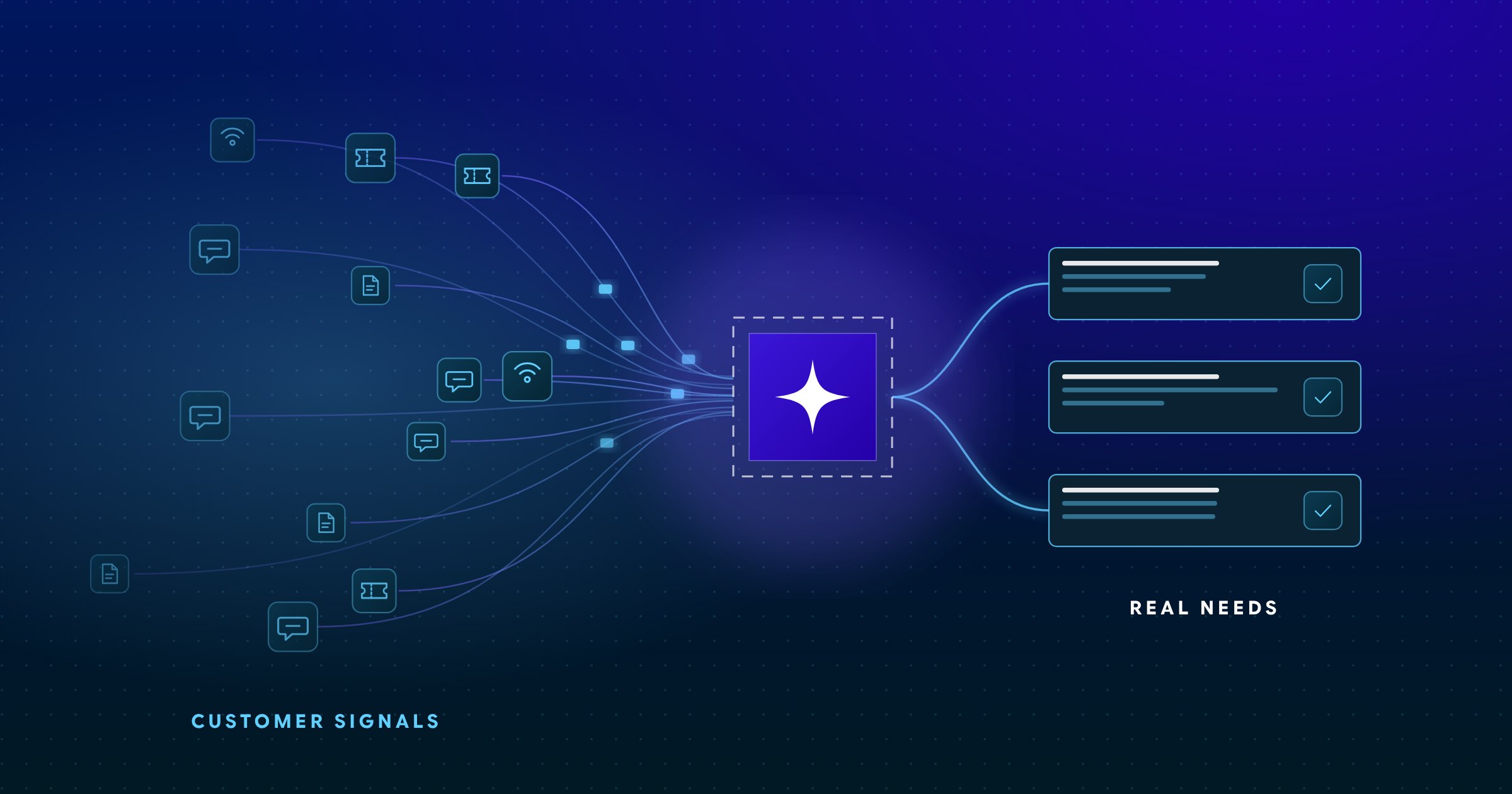
Instead of handling individual tickets as separate feedback, look for repeating patterns. A single feature request from one customer may be valuable. The same request from multiple customers tells you something more important about your product.
This is where AI has a practical role to play — not in deciding what you should build, but in making the evidence behind that decision visible. Product Builder Experience is explicitly designed around this: leveraging AI to surface customer signals, prioritize features, and move faster toward delivery.
Turn a Roadmap Item Into Something Developers Can Use
A roadmap entry like "Improve customer onboarding" is useful for planning. It is not enough to build from.
Developers need more detail:
- What problem are we solving?
- Who specifically needs the improvement?
- What should the product do, and in what cases?
- What should it never do?
- How will we know the work is done?
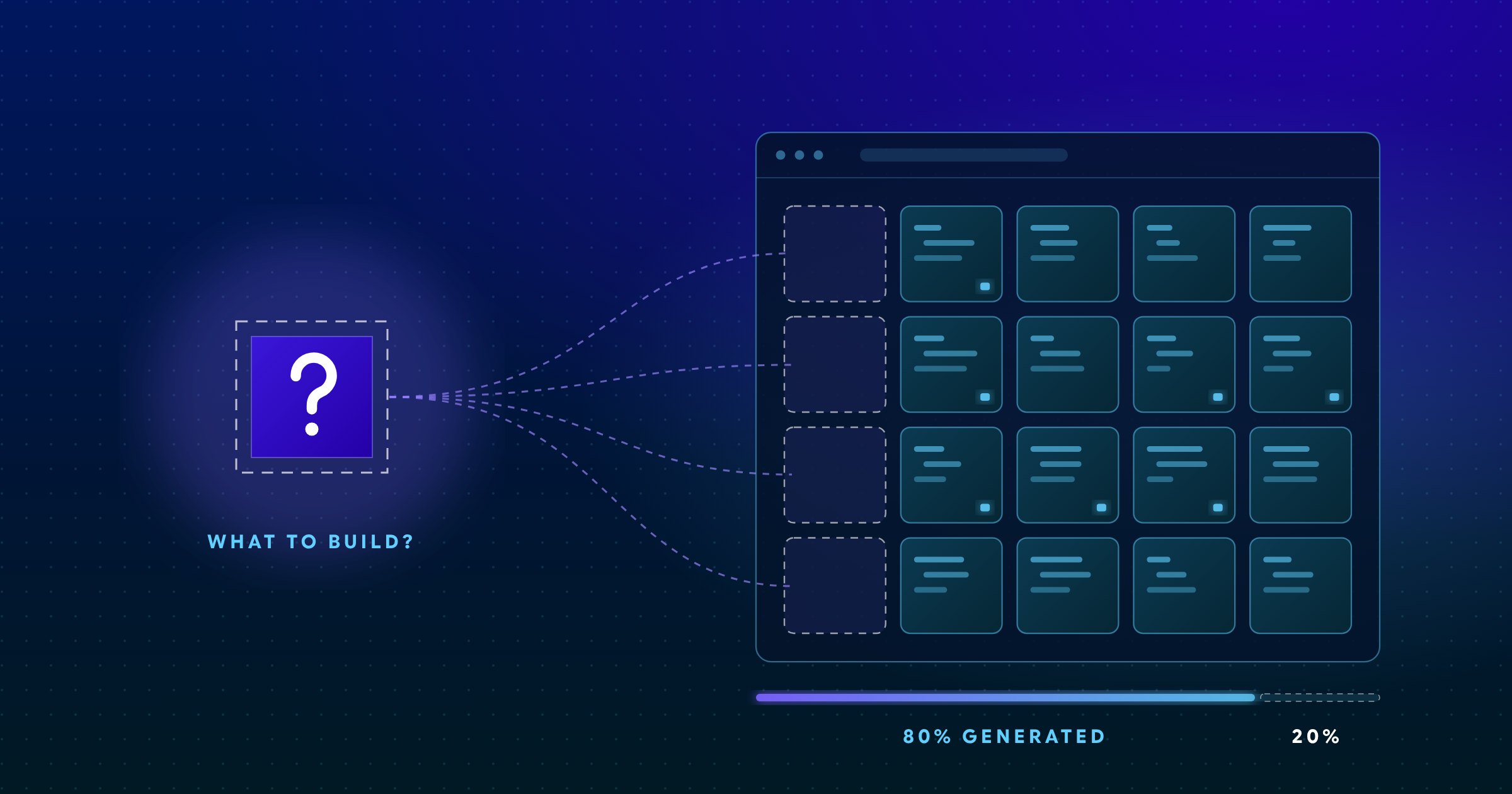
For a small team, getting from a high-level idea to structured requirements takes real time — time that is always in short supply.
Rather than starting from scratch, teams can use the customer context they have already captured to generate a structured starting point for requirements. The product owner keeps the decision-making. AI reduces the blank-page problem.
Keep Release Activity Connected to Product Decisions
Building a feature is only part of the job.
It also matters whether the feature shipped, when it shipped, what changed, and who needs to know about it.
The problem is that release management often disconnects from the original product decision. Customer input becomes a backlog item, the backlog item goes through development, and by the time it appears in release notes, the link to the original request may be gone entirely.
IC5 Labs treats release management as part of the same workflow — not a separate process. The Release Intelligence Agent is designed for AI-enabled coordination during release cycles, keeping the thread between the customer request and the shipped change intact.
For small teams, this connection matters. Every release is operationally significant.
Closing the Loop Is Part of Product Management
Among the most neglected parts of customer feedback is what happens after the feature ships.
The customer requests something. The team decides it is worth building. It gets added to the roadmap and eventually released. But does the customer find out?
Closing the loop changes the relationship. Customers learn that their feedback shaped the product — which leads to more accurate, more useful feedback in return. Communication becomes part of the development process, not an afterthought.
Why This Matters More for Solo Builders
As a solo founder or small-team builder, every hour spent transferring context between disconnected tools is an hour not spent improving the product.
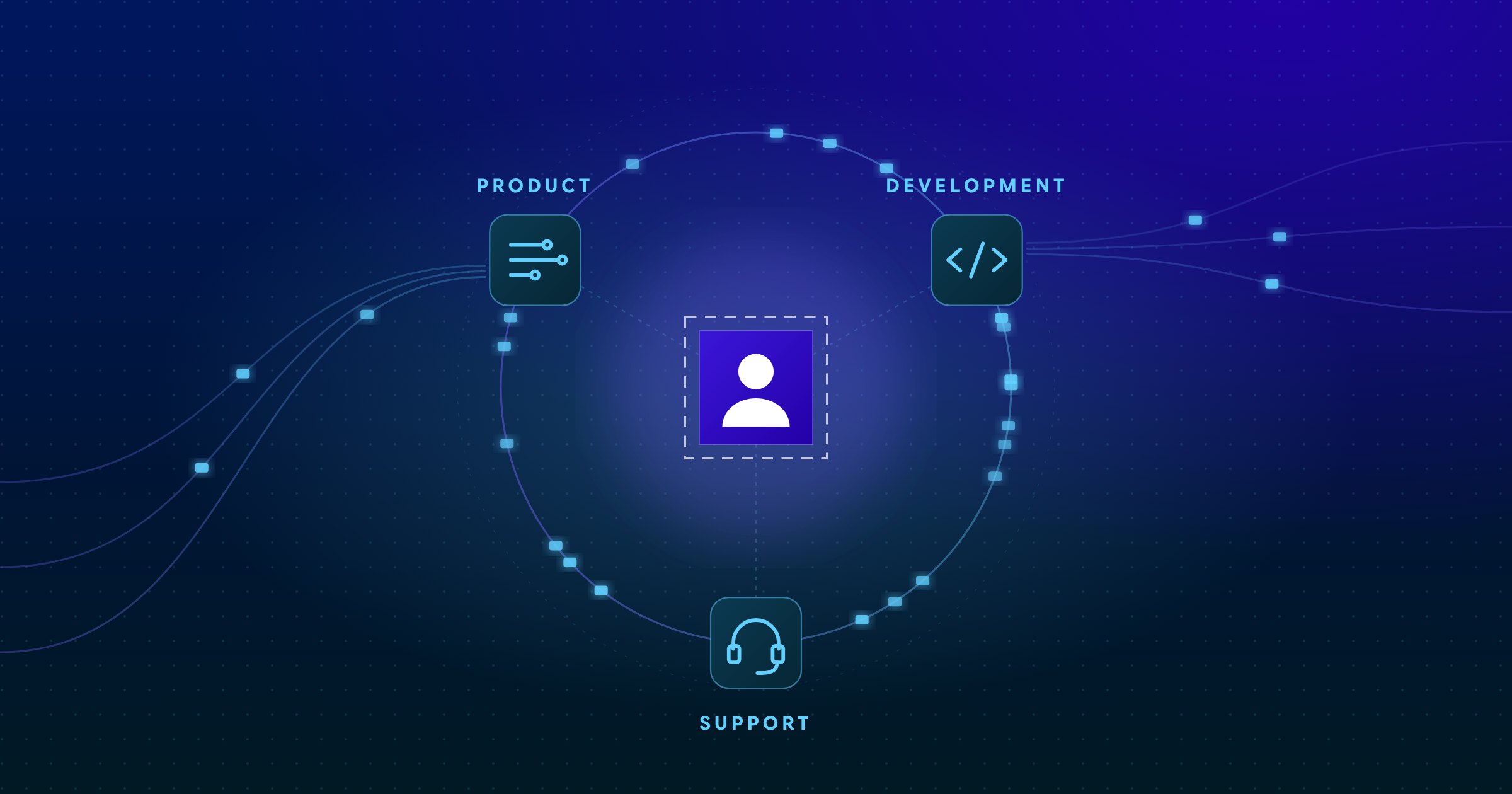
You are the product manager, the developer, the release coordinator, and the first line of support. The challenge is not just being overloaded — it is losing context every time you switch from one role to another.
A connected workflow helps overcome this.
The goal is a chain that actually holds: customer feedback → product decision → requirements → release → customer follow-up. When that chain breaks, product management becomes an administrative burden. When it works, the same context keeps flowing forward.
The Best Tool Is the One That Matches How You Actually Work
Small teams do not need enterprise complexity just because they are building a product.
They need something that reflects how product work actually flows: customer input leads to ideas, ideas lead to roadmap decisions, roadmap decisions lead to requirements, requirements lead to releases, and releases lead to more customer feedback.
This is the philosophy behind IC5 Labs: tools built for product people, from customer input through delivery and back. When you are wearing every hat, software that connects these activities is not a nice-to-have.