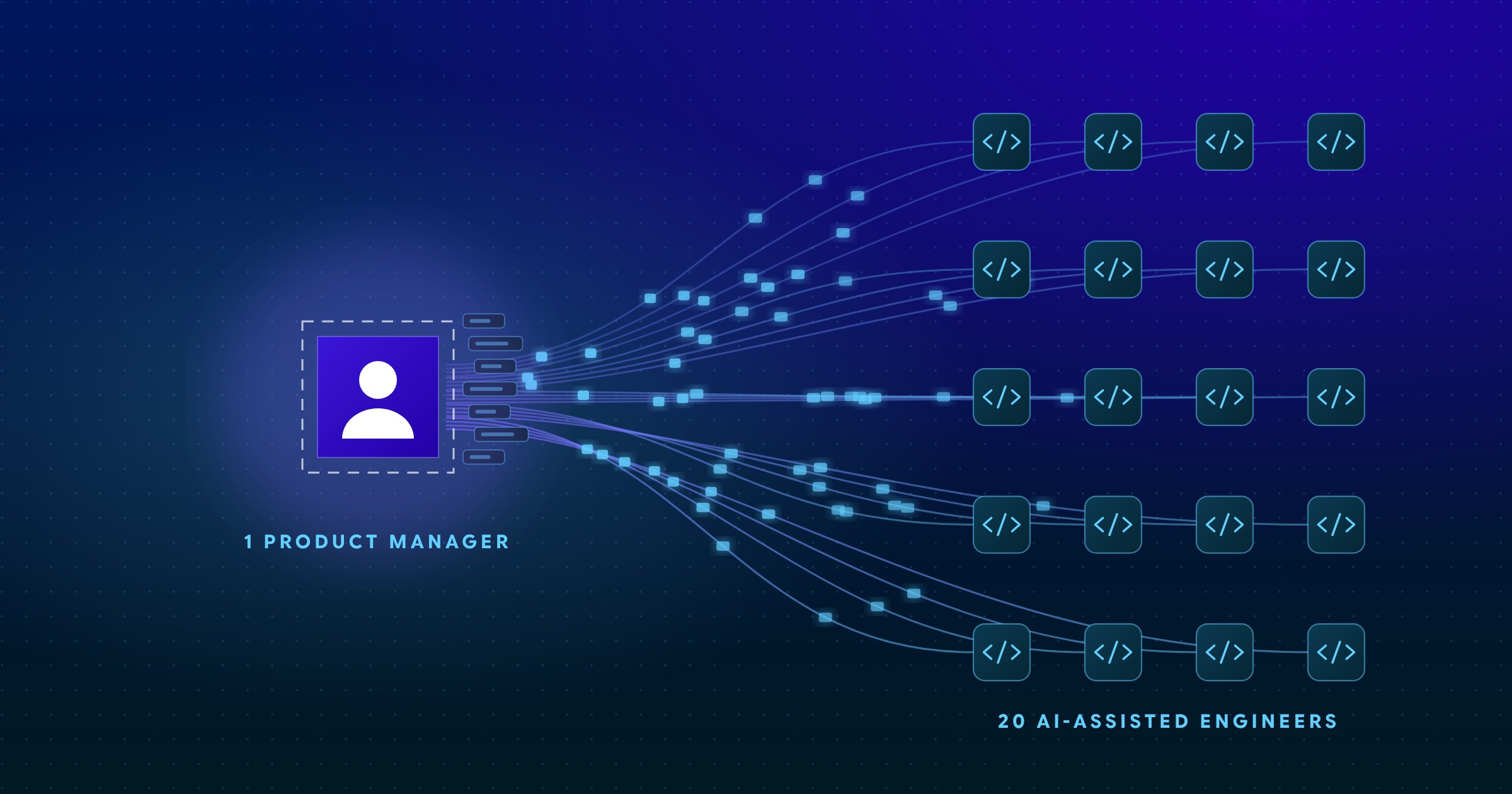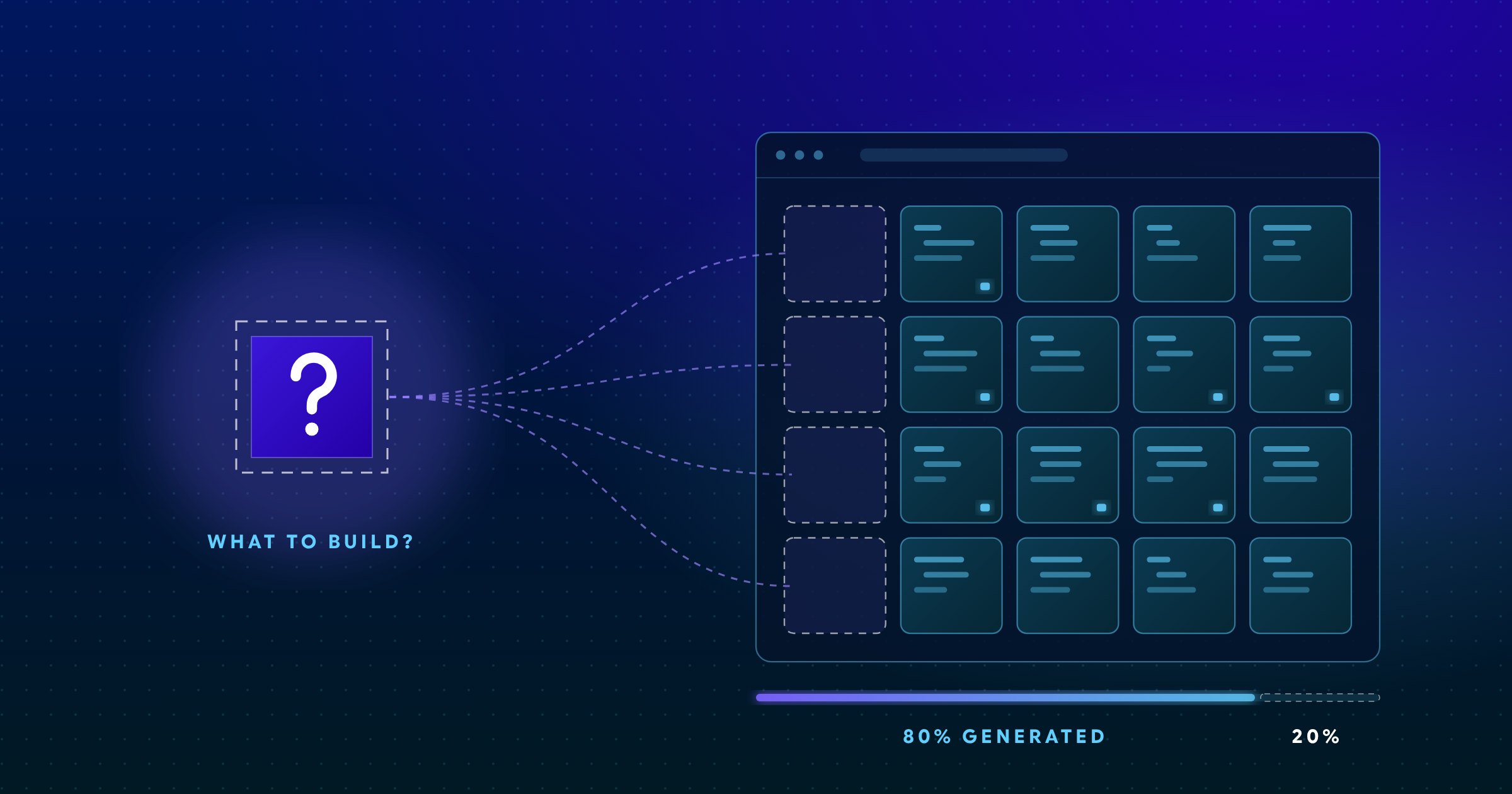
As AI helps engineering teams produce software faster, the bottleneck moves. The limiting factor is less about writing code and more about deciding what should be built in the first place.
A recent VentureBeat article, "Claude Code turned every engineer into three. Now companies need more product thinkers," points to a shift every software organization should be paying attention to.
The core idea is simple but important: as AI helps engineering teams produce software faster, the bottleneck moves. The limiting factor is less about writing code and more about deciding what should be built in the first place.
That is a meaningful shift for every product organization. It is especially meaningful for ServiceNow builders.
ServiceNow has always been a powerful platform for people who understand business problems deeply. The best builders do more than configure forms, flows, integrations, workspaces, and automations — they translate real operational pain into durable product experiences.
AI will make that translation faster in some places. It may help generate scripts, draft requirements, propose workflows, summarize feedback, or accelerate implementation. But AI does not remove the need for product judgment. In many ways, it makes product judgment more important.
When building gets faster, building the wrong thing gets faster too.
The New Constraint: Knowing What Matters
For years, many organizations treated engineering capacity as the constraint. Backlogs were full, teams were overloaded, and stakeholders competed for limited delivery bandwidth. The implicit assumption was that if teams could build faster, outcomes would improve.
That assumption is incomplete.
Faster delivery is only valuable when the work is connected to a real customer need, a real business outcome, and a clear understanding of the problem being solved.
Without that clarity, increased delivery speed can create new problems:
- More features that nobody adopts
- More workflows that automate the wrong process
- More customizations that add maintenance burden
- More stakeholder requests shipped without evidence
- More technical debt wrapped in the language of productivity
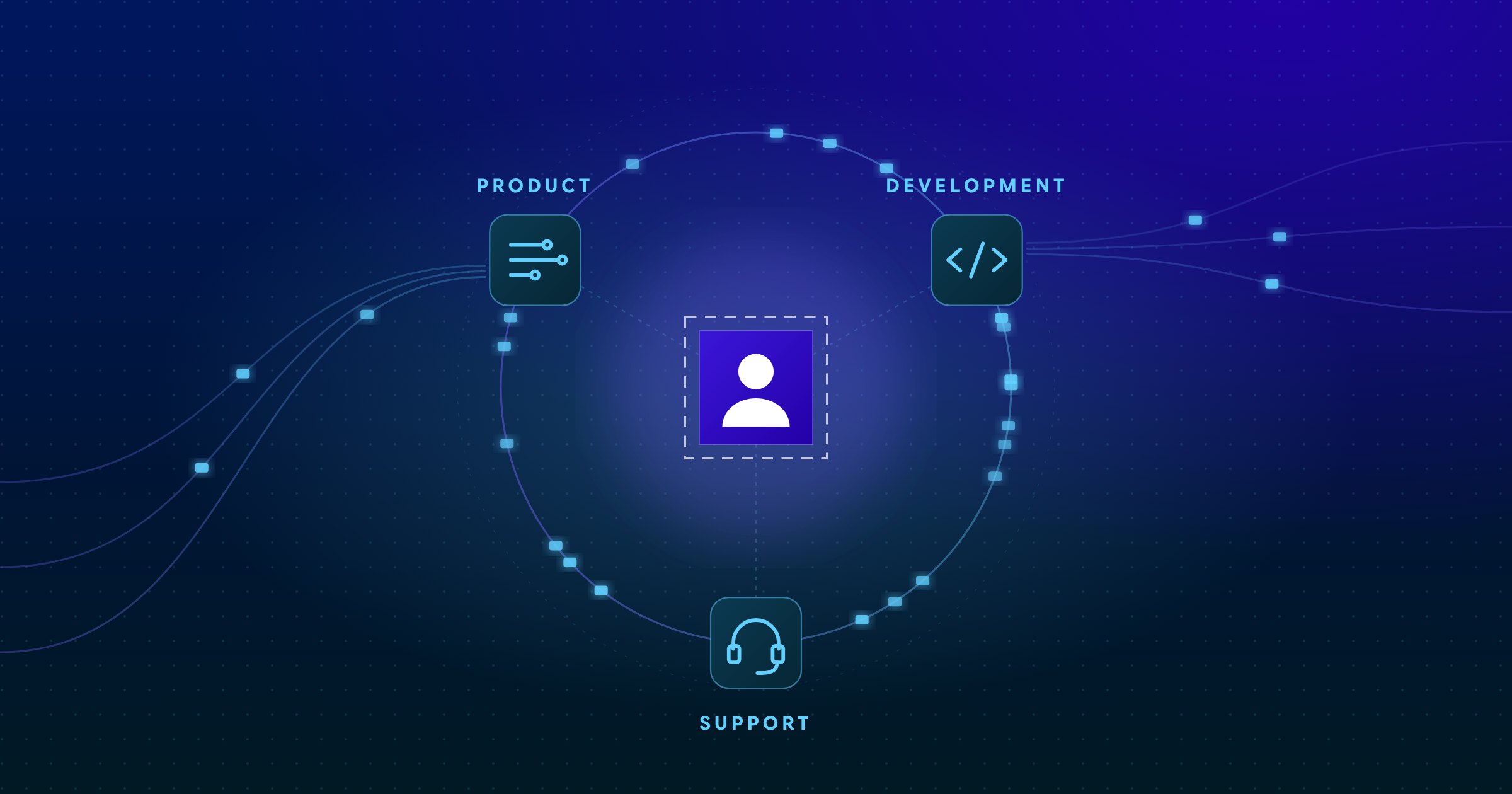
This is why the rise of AI-assisted development should not make product thinking less important. It should make product thinking a required discipline for every builder.
The question is no longer just, "How quickly can we ship?"
The better question is, "How confidently do we know this is worth shipping?"
ServiceNow Builders Sit Close to the Customer Problem
ServiceNow builders are often closer to operational reality than traditional software teams. They see the incident queues. They hear from agents, employees, requesters, fulfillers, platform owners, process owners, and executives. They understand where work slows down, where handoffs break, where data is missing, and where users abandon the process.
That proximity is a major advantage — but proximity alone is not enough.
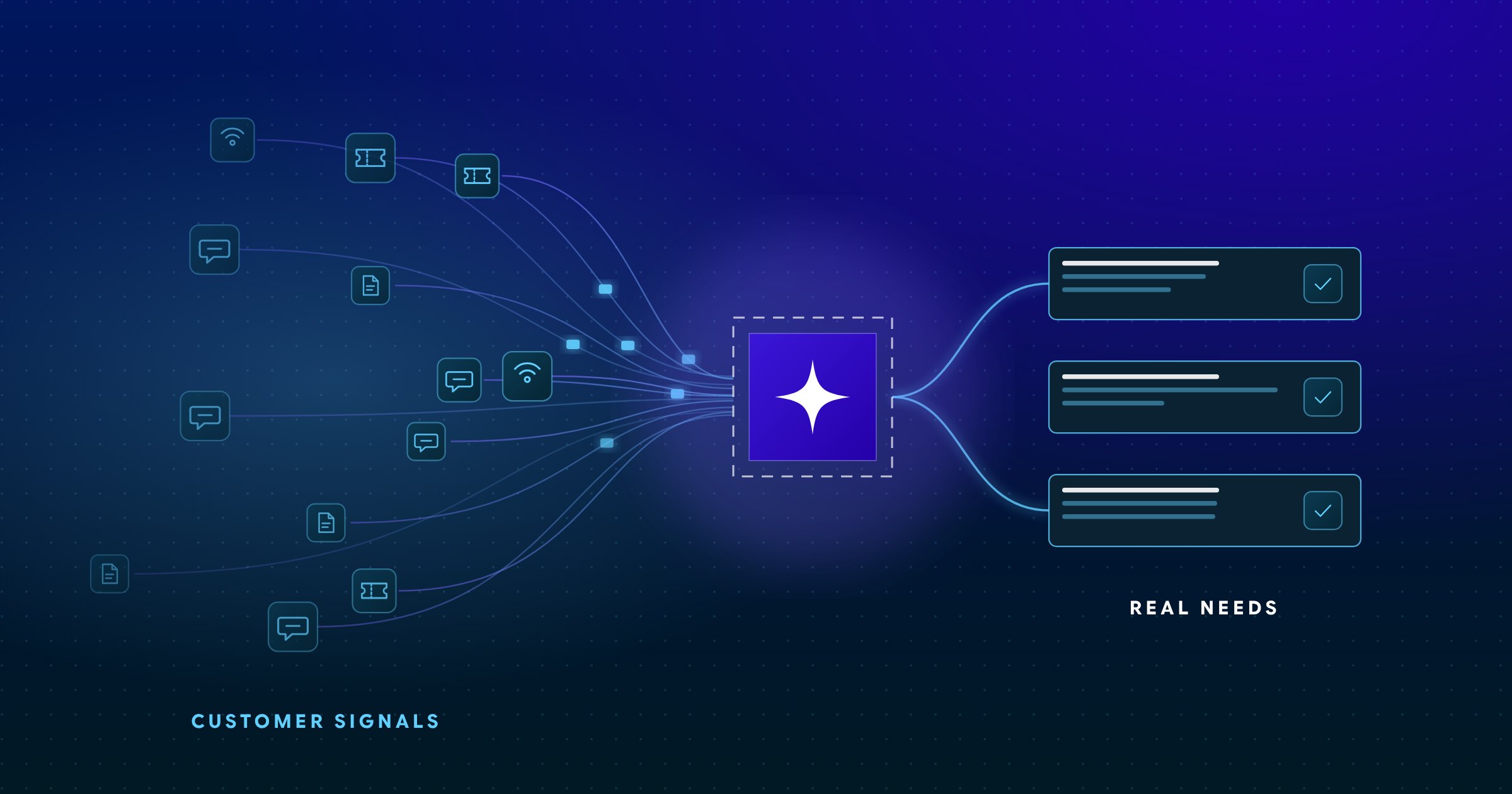
Customer needs often arrive in messy forms: support tickets, enhancement requests, meeting notes, Slack messages, email threads, user complaints, executive asks, process gaps, and anecdotal feedback. These signals are valuable, but they are not automatically product strategy.
A request is not always a need.
A complaint is not always the root cause.
A stakeholder priority is not always the highest-value problem.
A backlog item is not always evidence that something should be built.
This is where many ServiceNow teams struggle. They have signals everywhere, but no consistent way to extract the actual customer need, connect it to business value, and guide builders toward the right solution.
Need Extractor: Turning Signals into Customer Needs
IC5 Labs' Need Extractor is designed around a simple principle: before teams decide what to build, they need a clearer understanding of what customers actually need.
Instead of treating every request as a build instruction, teams can analyze customer feedback, conversations, intake items, and operational signals to identify the underlying need. That distinction matters.
- A user may ask for a new field — but the real need may be better visibility
- A manager may request a dashboard — but the real need may be confidence that work is moving
- An agent may ask for another automation — but the real need may be fewer context switches
- A process owner may ask to replicate an old workflow — but the real need may be consistency, compliance, or speed
Need Extractor helps teams slow down at the right moment: not to reduce delivery velocity, but to improve direction. It gives builders a stronger basis for product decisions by making customer needs more explicit, reusable, and actionable.
In an AI-accelerated world, that becomes critical. If AI can help teams build faster, Need Extractor helps ensure they are building against the right problem.