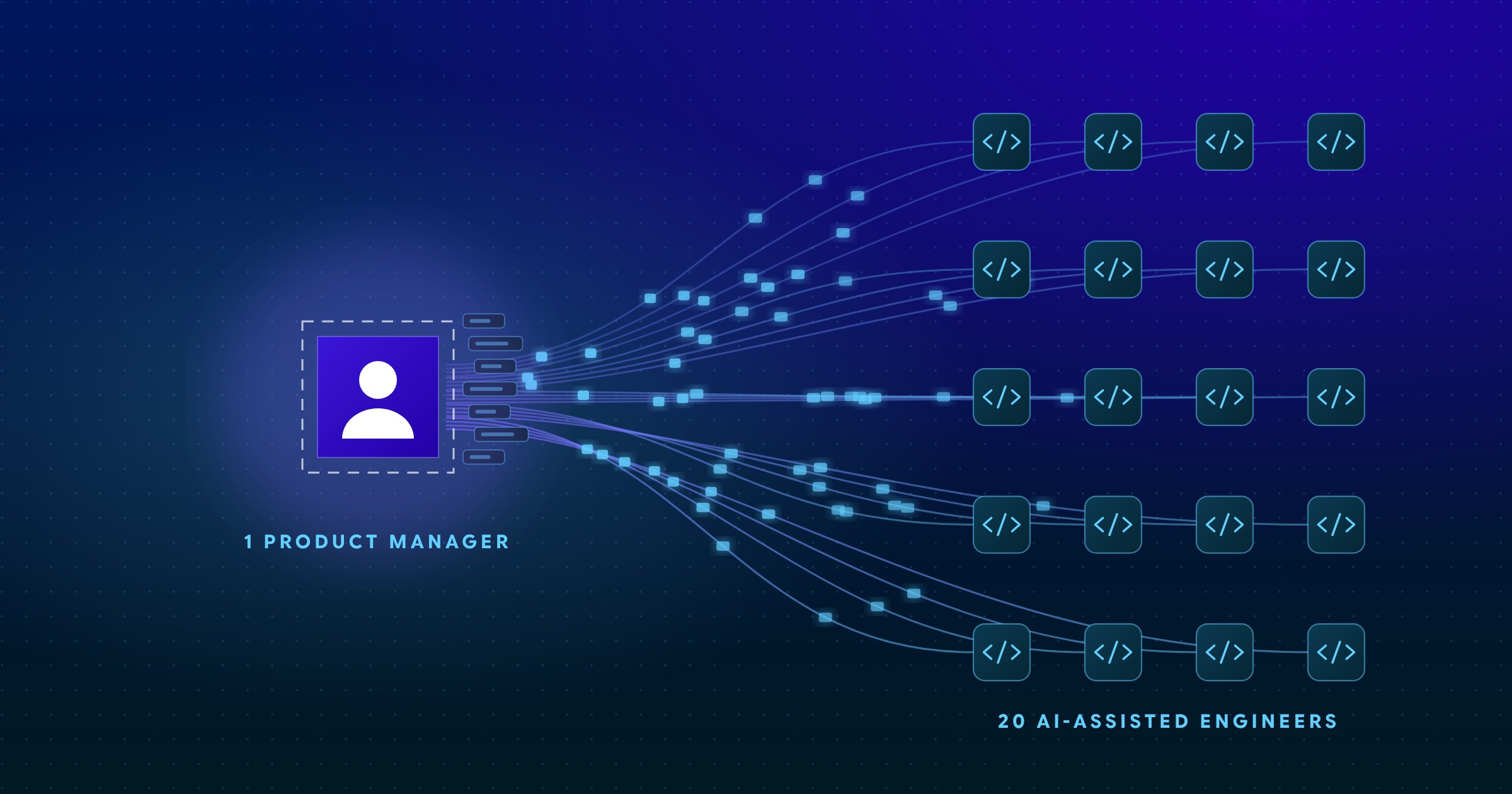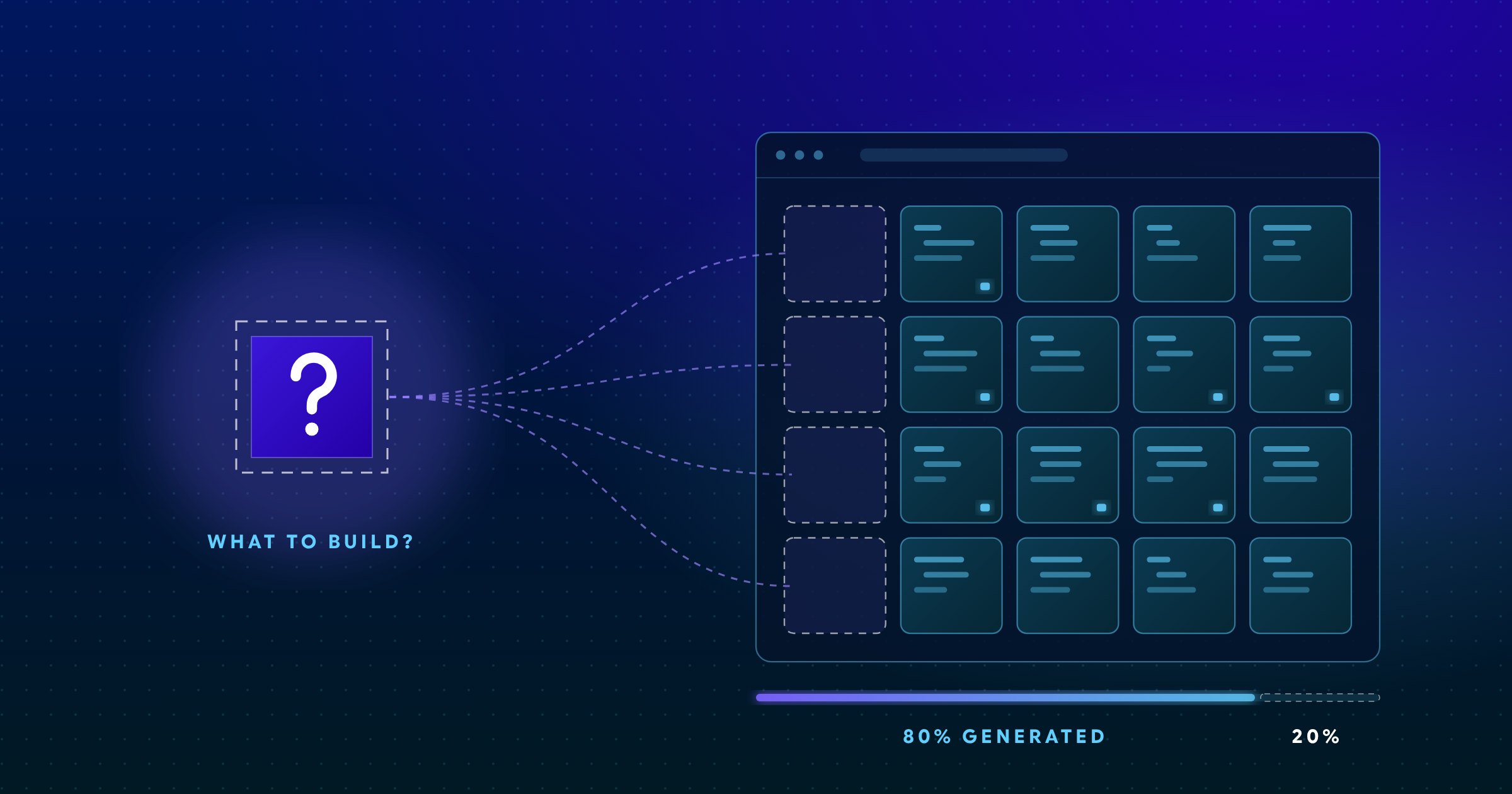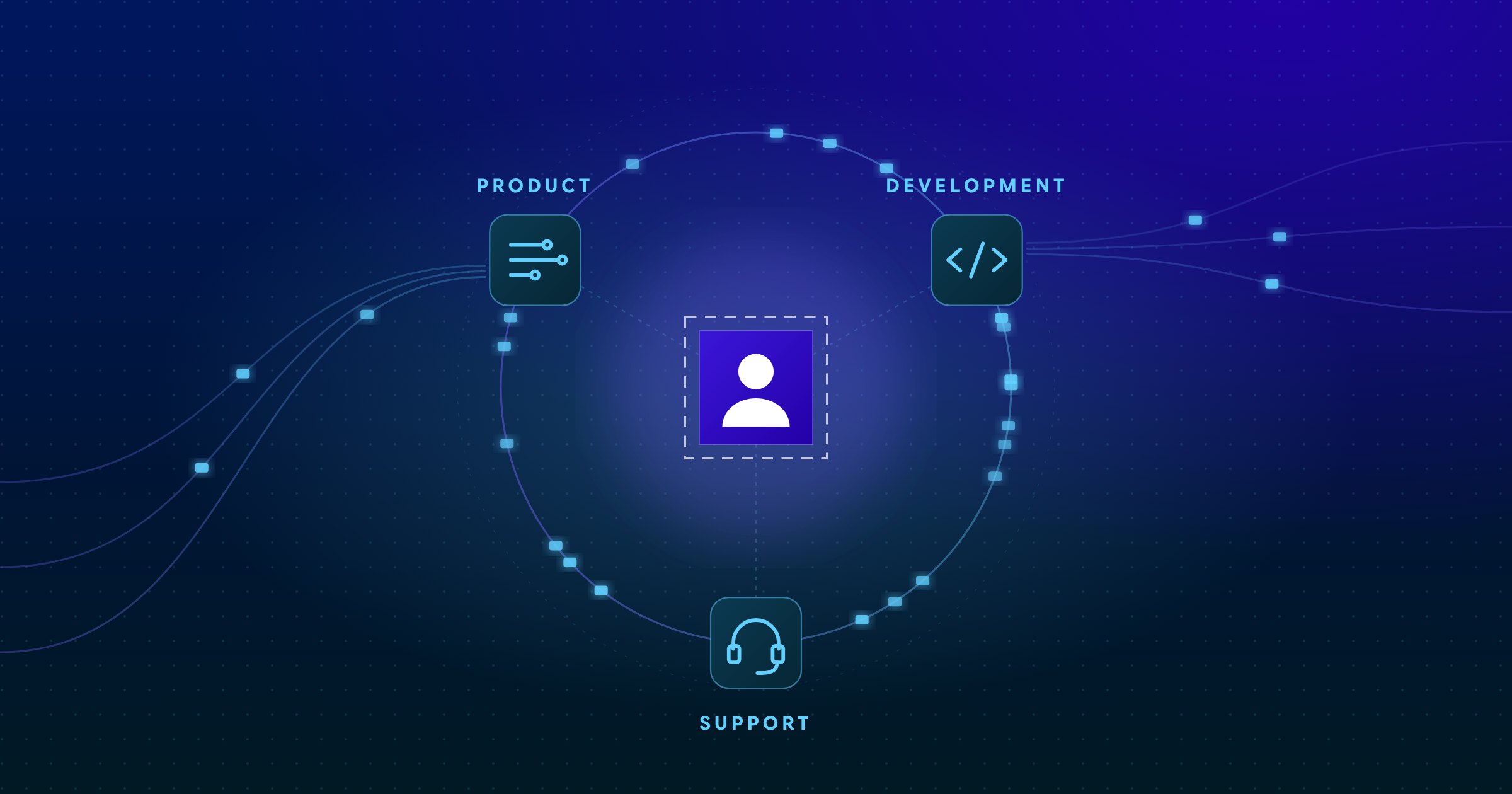
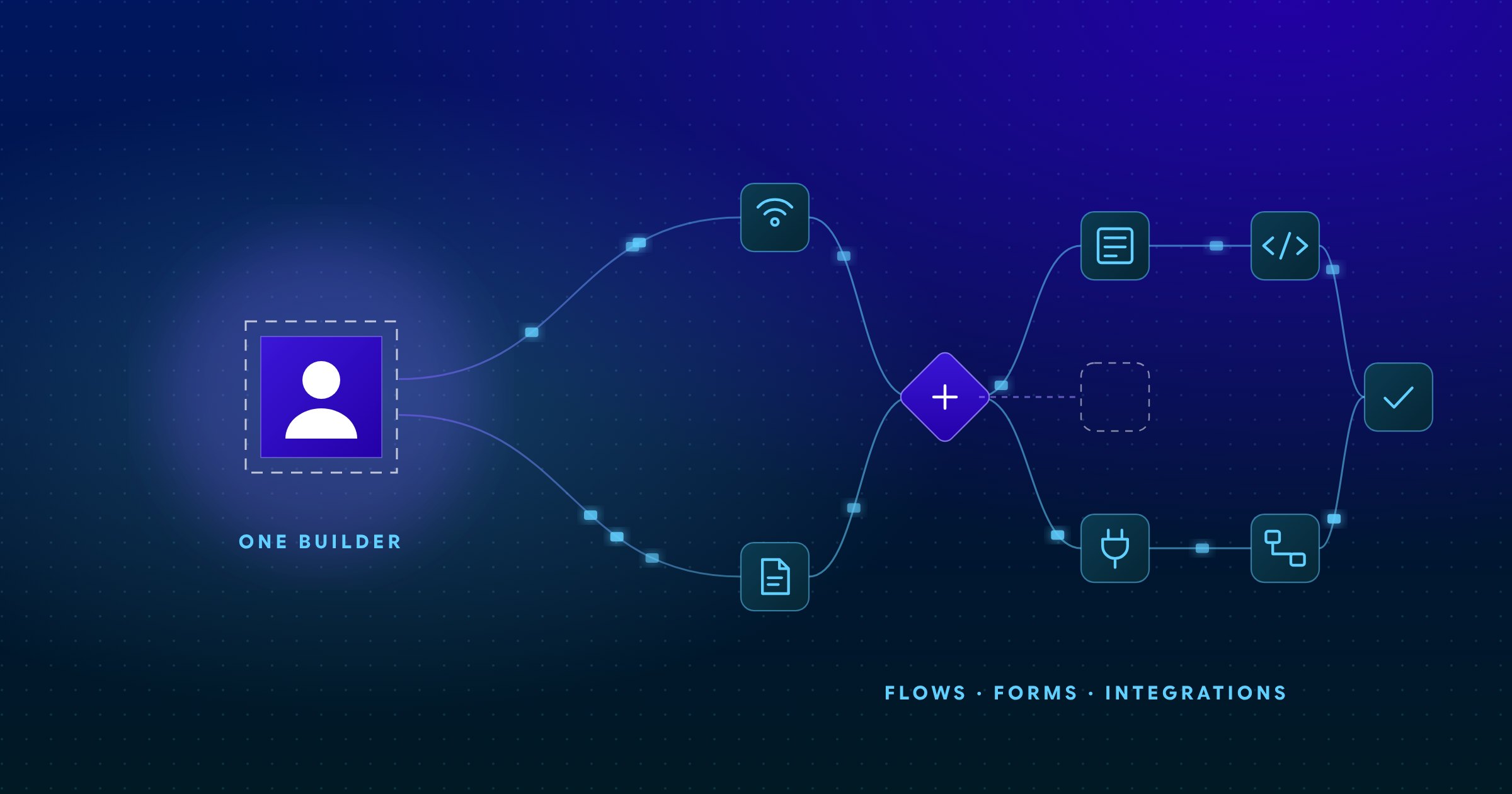
Powered by Now Assist for Creator, a single person can now build applications and workflows that once required a full team. IC5 Labs' PBE answers the question that comes first: what should you build?
A new kind of builder is emerging inside enterprise organizations. Not a traditional developer with years of coding experience, and not a no-code citizen developer limited to simple automations. This is the ServiceNow Builder: someone with deep domain expertise, strong product instincts, and access to a platform that has fundamentally changed what one person can create alone.
The catalyst is Now Assist for Creator.
What Now Assist for Creator Changes
ServiceNow's generative AI tooling for creators removes the most significant barrier that has historically separated domain experts from platform builders: the need to write code.
With Now Assist for Creator, a single person can describe what they want to build in plain language and watch the platform generate flows, scripts, form logic, and integrations. Applications that previously required a team of developers and weeks of back-and-forth can now be prototyped in hours.
This is not an incremental improvement to the development experience. It is a shift in who gets to build.
The ServiceNow Builder persona is someone who:
- Understands the business problem intimately
- Can translate that understanding into platform logic with AI assistance
- Can iterate quickly based on feedback
- Compresses the distance between insight and working software
The Speed Trap
This is where many ServiceNow Builders will get stuck.
The ability to build fast creates a new kind of waste. Teams can now ship features quickly that solve the wrong problems — that miss what users actually need, or that duplicate value already delivered elsewhere on the platform.
When building gets faster, building the wrong thing gets faster too.
For years, many organizations treated engineering capacity as the constraint. The implicit assumption was that if teams could build faster, outcomes would improve. That assumption is incomplete.
Faster delivery is only valuable when the work is connected to a real customer need, a real business outcome, and a clear understanding of the problem being solved.
Without that clarity, increased delivery speed creates new problems:
- More features that nobody adopts
- More workflows that automate the wrong process
- More customizations that add maintenance burden
- More stakeholder requests shipped without evidence
- More technical debt wrapped in the language of productivity
The question is no longer just, "How quickly can we ship?"
The better question is, "How confidently do we know this is worth shipping?"
Builders Sit Close to the Customer Problem
ServiceNow builders are often closer to operational reality than traditional software teams. They see the incident queues. They hear from agents, employees, requesters, fulfillers, platform owners, process owners, and executives. They understand where work slows down, where handoffs break, where data is missing, and where users abandon the process.
That proximity is a major advantage — but proximity alone is not enough.
Customer needs often arrive in messy forms: support tickets, enhancement requests, meeting notes, Slack messages, email threads, user complaints, and executive asks. These signals are valuable, but they are not automatically product strategy.
A request is not always a need.
A complaint is not always the root cause.
A stakeholder priority is not always the highest-value problem.
This is where many ServiceNow teams struggle. They have signals everywhere, but no consistent way to extract the actual customer need, connect it to business value, and guide builders toward the right solution.
That is the gap IC5 Labs is focused on closing.
How PBE Helps Builders Build the Right Thing
IC5 Labs' Product Builder Experience (PBE) gives ServiceNow builders the customer intelligence infrastructure they need to make better product decisions — before a single line of code is written.
PBE can analyze a meeting transcript and automatically surface the customer needs, pain points, and feature requests embedded in the discussion. Instead of manually reviewing notes after every stakeholder call, builders get a structured summary of what users are asking for and why.
That clarity changes the build decision. Not just can we build this? but should we build this, and do we know why it matters?
In an AI-accelerated world, that question becomes the most important one a builder can ask.